
Yes, Americans can go to Cuba. Legally, and safely.
The rules are clearer than the headlines. Here’s exactly how it works, from people who live there.
Why it's legal
- You travel under the “Support for the Cuban People” general license from the U.S. Treasury’s Office of Foreign Assets Control (OFAC). No special application is needed.
- Our tours are built to satisfy that category: you stay in private homes, eat at family-run paladares, visit independent farms and artists, and spend your money with Cuban people rather than government-run businesses.
- You buy a Cuba e-visa online (about $60, at eVisaCuba.com) and complete the D’Viajeros form before departure. We send a simple step-by-step guide with the links.
- We fly as a group on scheduled flights from Miami. Thousands of Americans fly this route every month.
- Keep your receipts and itinerary for five years, which is the standard OFAC record-keeping rule. We give you a full itinerary that documents your activities.
Why it's safe
- Cuba has one of the lowest violent crime rates in the Americas. There are no cartels, no no-go neighborhoods, and virtually no civilian gun ownership.
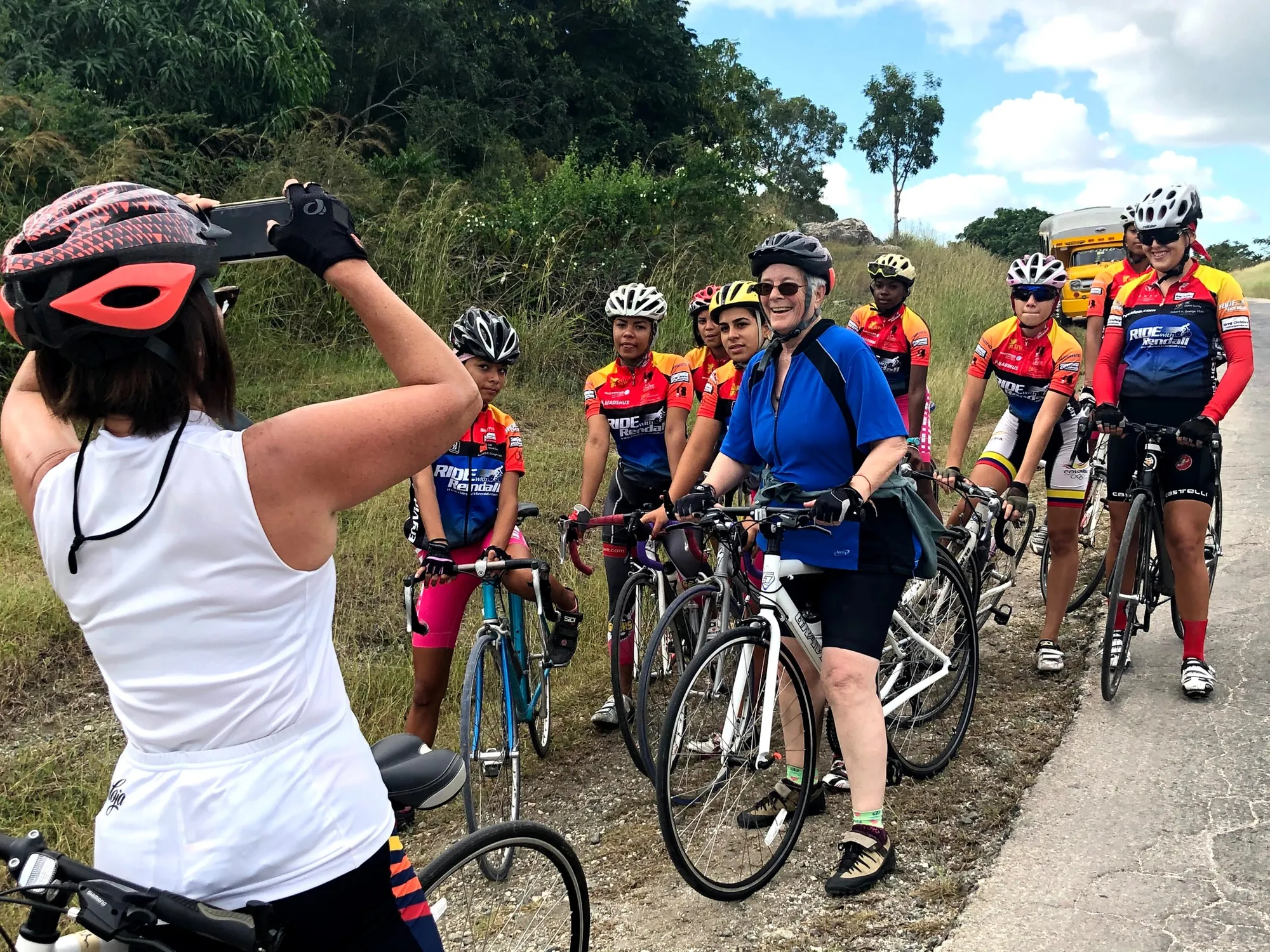
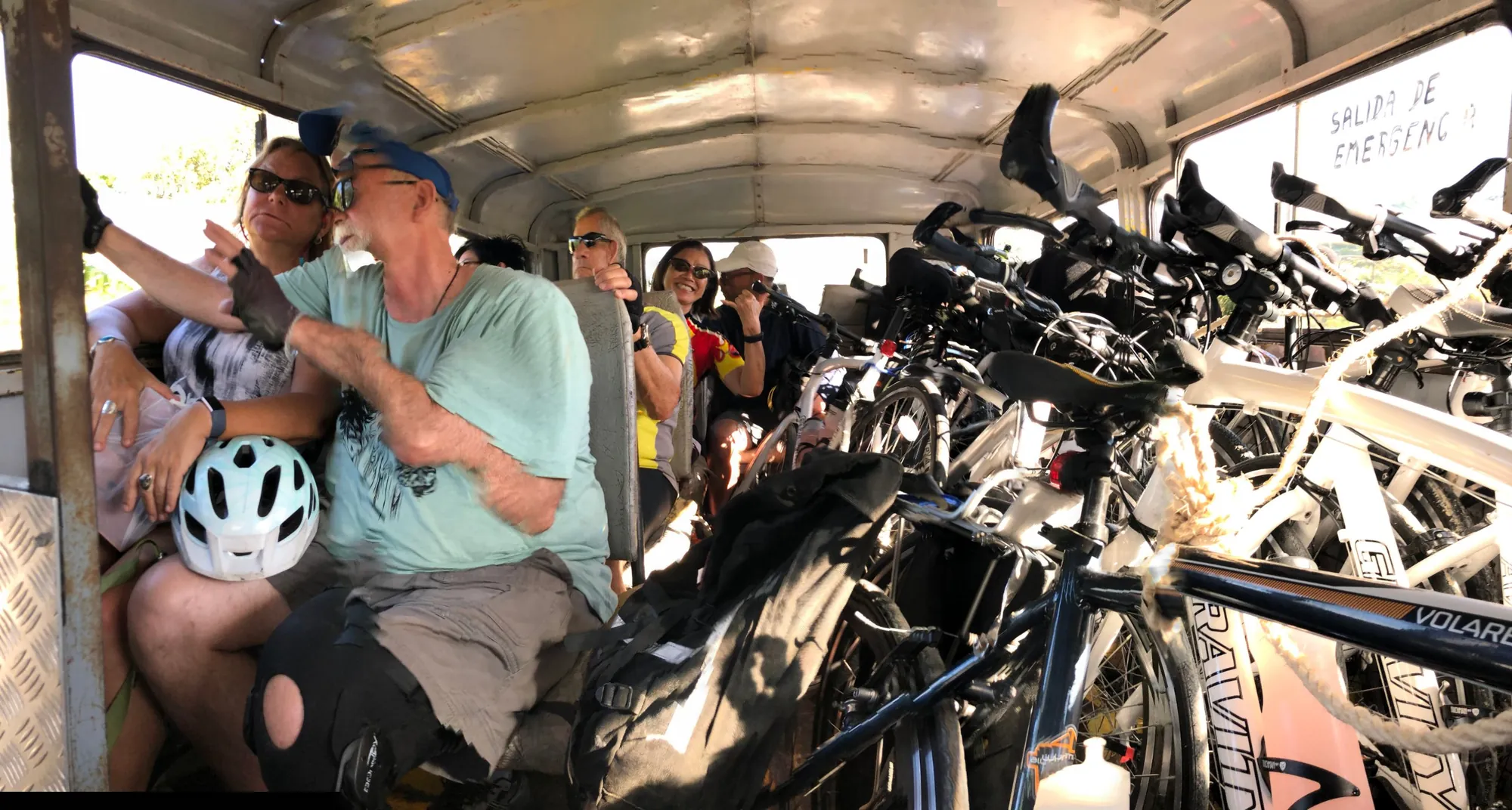
- Roads in the east carry very little traffic, and drivers are courteous to cyclists. Our SAG van follows the group with water, tools and first aid.
- Herschel and his Cuban wife live in the region. Our hosts, drivers and guides are people we’ve worked with for years.
- Your e-visa includes access to Cuba’s healthcare system, and your required travel insurance covers medical evacuation.
- Yes, Cubans are going through shortages. Our groups bring essential goods, we buy from the families who host us, and we plan around what’s available so you never feel it.

We handle the paperwork with you
Once your deposit is in, you get a short guide with every link: the e-visa purchase, the D’Viajeros form, what to look for in travel insurance, and a packing list for a tropical bike trip. If anything is unclear, you call Herschel and sort it out in five minutes.
“I couldn't have asked for a better trip. As promised, it was a submersion into the Cuban culture and Cuban people. Their warmth and hospitality is unsurpassed. Many of the meals were unexpectedly delicious, accommodations comfortable, bikes well maintained and activities other than cycling were varied. Yes, bathrooms are primitive and there were electrical outages, so if you are prepared, it contributes to the adventure. The friendliness of the people, and the sound of ever-present music will be forever etched in my memory.”
“Thanks Herschel, it was an exceptional journey! We appreciate all you do for your bike riders and your heart for the Cuban people. Norm & I felt really safe and cared for in your hands.”
Legal, safe and sorted
Is it legal for Americans to travel to Cuba?
Yes. We travel under the “Support for the Cuban People” category, in compliance with the rules issued by the U.S. Department of the Treasury (OFAC). Our tours are built around that category: we stay in private homes, eat at family-run paladares, and spend our money directly with Cuban people, not the government. We walk you step by step through your e-visa and the required travel forms.
Will I feel safe on the tour?
Yes, 100%. Cuba is by far the safest country we have ever visited. The roads are generally in good condition with very few cars or trucks, and drivers are courteous to cyclists. Our founder lives in this region with his Cuban wife and works with trusted partners he's known for years.
Do I need a Cuba travel visa?
Yes, and it's a simple process. You'll purchase a 90-day Cuba e-visa online at least one week before departure (about $60 by credit card, at eVisaCuba.com). Visas can no longer be bought at the airport. We send you a step-by-step guide.
What documents or immunizations do I need?
A valid passport. You'll also complete the D'Viajeros form within 7 days of departure using your e-visa number. We provide a simple guide with links for each step. No specific immunizations are required to enter Cuba, but check with your healthcare provider before any international travel.
Do I need travel insurance?
Yes, it's required, and it should cover delays, illness, lost luggage, medical emergencies and evacuation. Make sure the provider insures travel in Cuba and covers cycling, snorkeling and scuba. We've had good experiences with Allianz and Generali.
Do I need to speak Spanish?
No. Your guides translate whenever needed. You'll probably pick up some Spanish along the way as part of exploring the culture.

The Cuba trip
planning guide
Free · 10 sections · printable
Not ready to book yet?
Get the free planning guide Herschel sends every rider: the legal category, the e-visa and forms step by step, money, phones, packing, what blackouts mean for you, and a timeline from booking to Miami.
Still have a question? Ask a person.
Herschel calls every inquiry back personally. Pick the time that suits you.