Cuba journal · 7 min read
Yes, Cuba Has Blackouts. Here's What That Actually Means for Your Trip
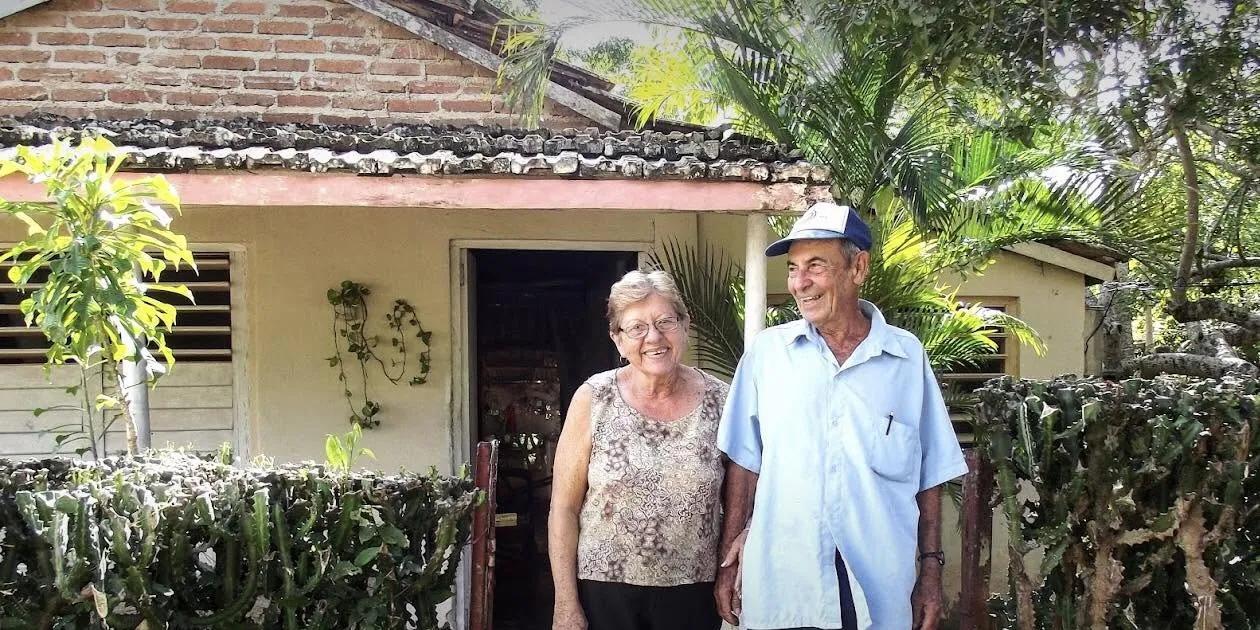
I'm writing this from a friend's house a few miles down the road, because today my village has no power and no internet. Every other village and town around us has both. It's opposite day. Tomorrow it will probably be the other way around, and I'll be the one with the lights on, pouring coffee for a neighbor who needs to charge a phone.
I'm telling you this first because you've seen the headlines. Cuba has no electricity. Cuba has no food. Cuba has no water, no fuel, no internet. Some of that is true some of the time, in some places. None of it is the whole picture, and almost none of it describes what a week with us actually feels like. I live here. My wife is Cuban. Our guides, drivers, mechanics and hosts have lived through every one of these shortages, and they are the reason your trip runs the way it does.
So here is the honest version.
Yes, there are blackouts. Here's how they actually work.
Cuba's electrical grid is old and underfunded, and in the last few years scheduled and unscheduled outages have become a normal part of life, especially outside Havana. In our part of el Oriente, a blackout might last a couple of hours or the better part of a day. They are more common in the hot months, when demand peaks, and less common from January through May. That is one of the reasons we run our tours in those months.
What a blackout means for you on tour:
- Your homestay has backup. The casas particulares we use have solar panels, batteries, or a generator, and in most cases more than one of those. Lights, fans and phone charging keep working. Our hosts invested in this because their livelihood depends on it, and because, frankly, they got tired of the dark too.
- You are outside most of the day anyway. We ride in the morning, swim or wander in the afternoon, and eat together at night. A blackout at 2 PM on a beach day is something you find out about afterward.
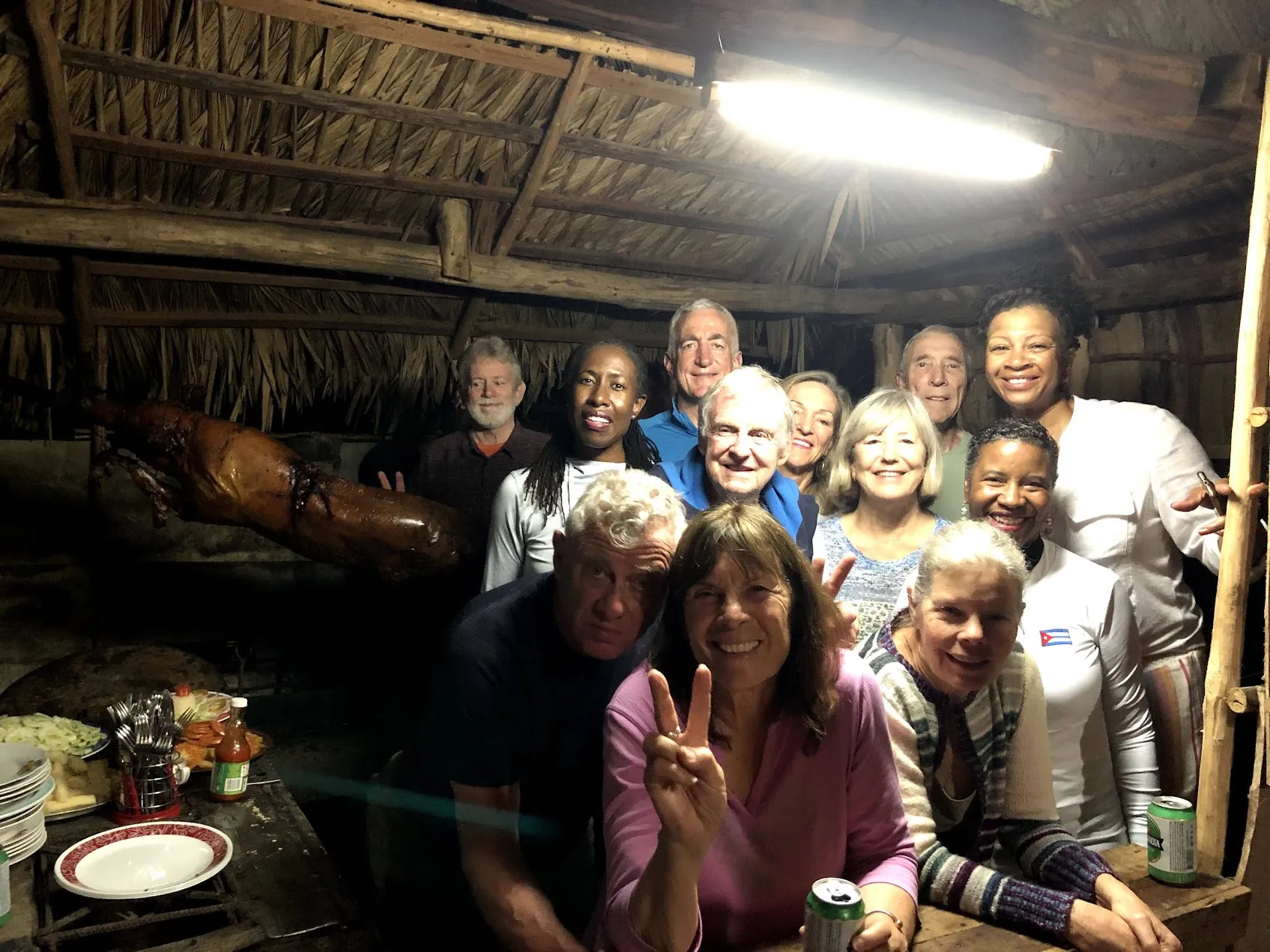
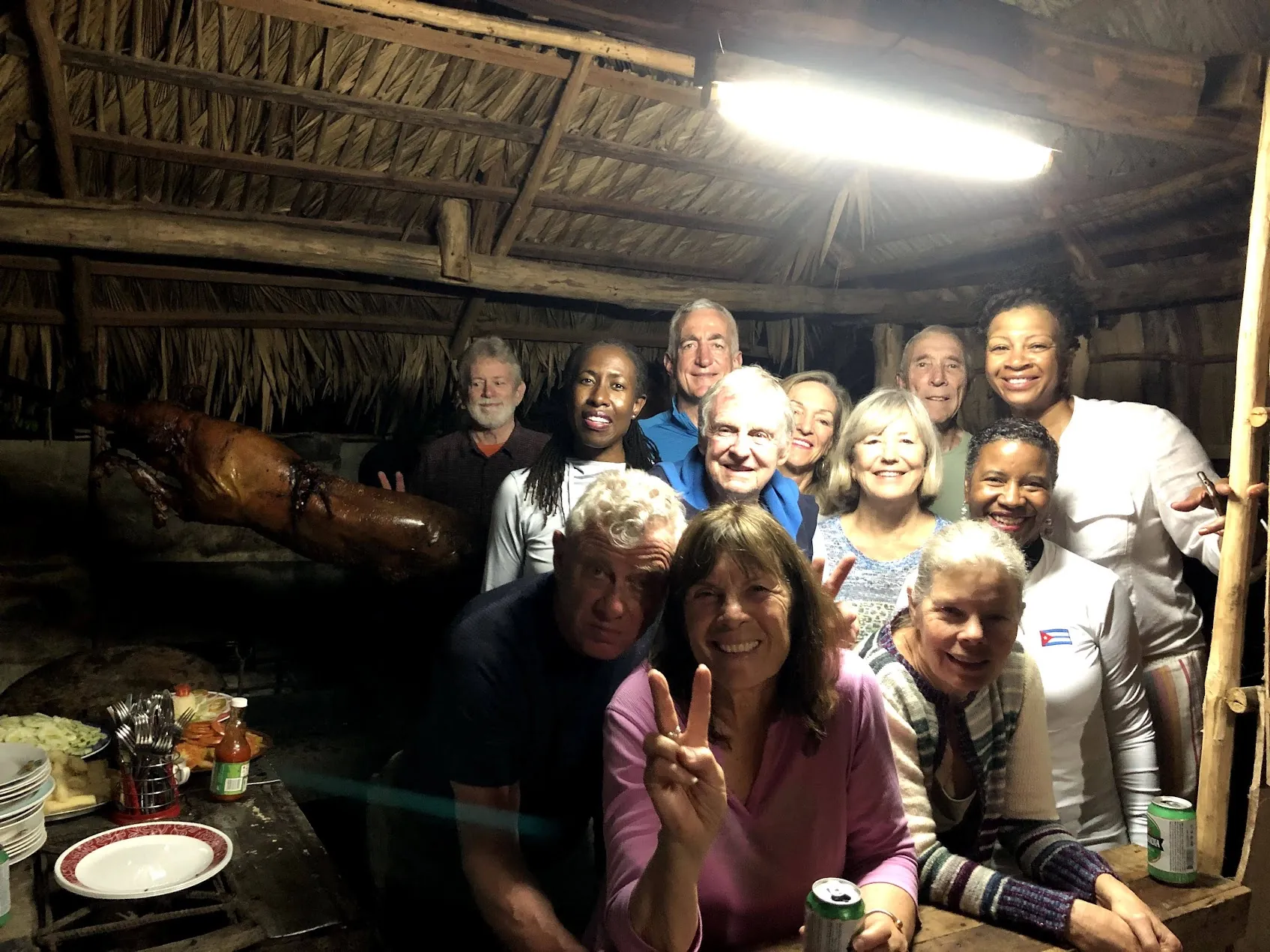
- Cooking doesn't stop. Most Cuban kitchens run on gas or charcoal, not electricity. A pig on a spit does not care about the grid.
- Air conditioning is the one thing that may pause. If that matters a lot to you, tell us and we'll place you in a casa with a battery or generator sized for it.
What a blackout means for Cubans is harder, and we don't pretend otherwise. Refrigerators warm up. People lose sleep. That is part of why our tours are structured the way they are: every dollar you spend goes to a family who is dealing with this, and the solar panels on our hosts' roofs were paid for in part by riders like you.
Fuel: the thing people worry about and shouldn't
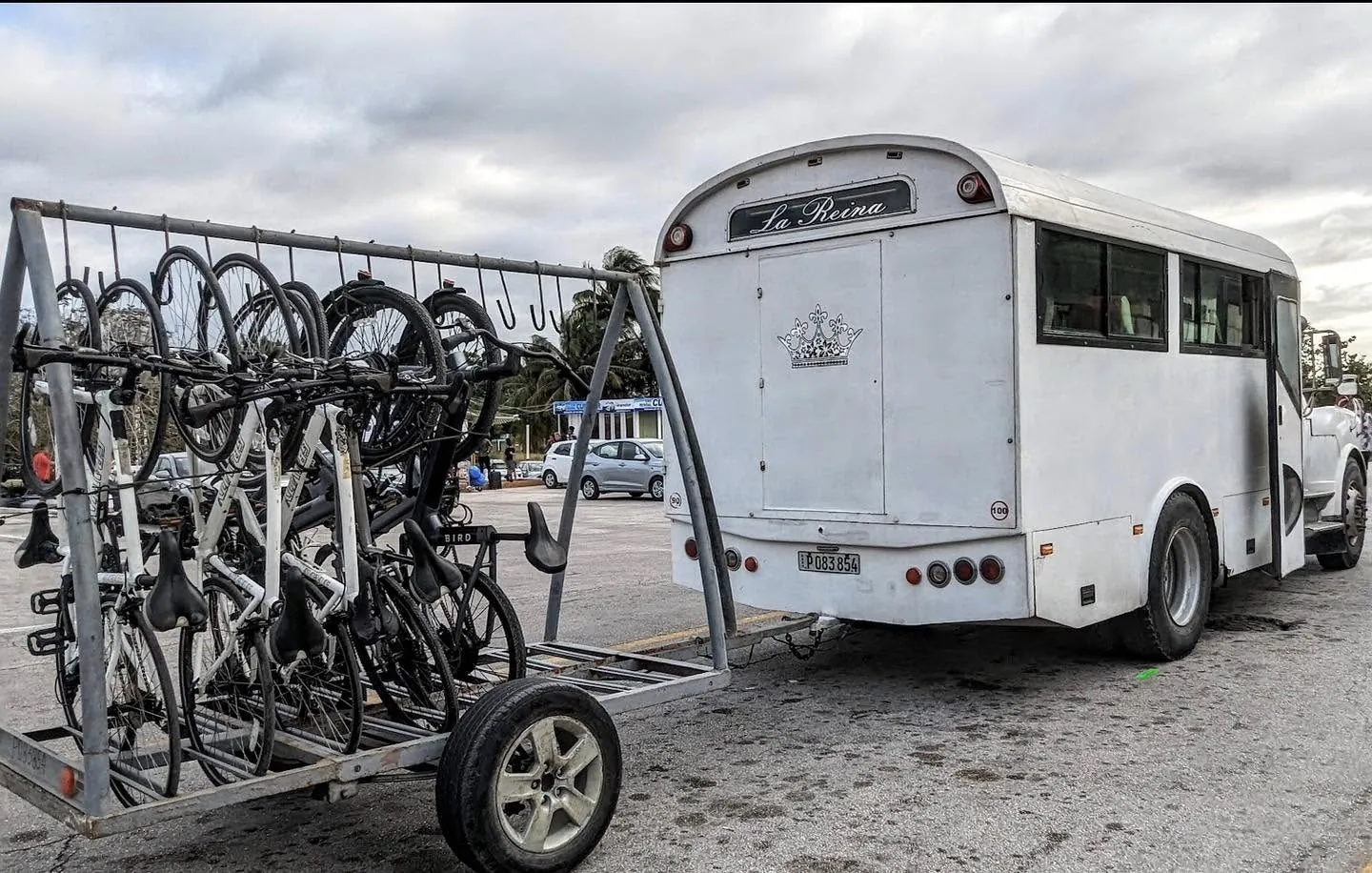
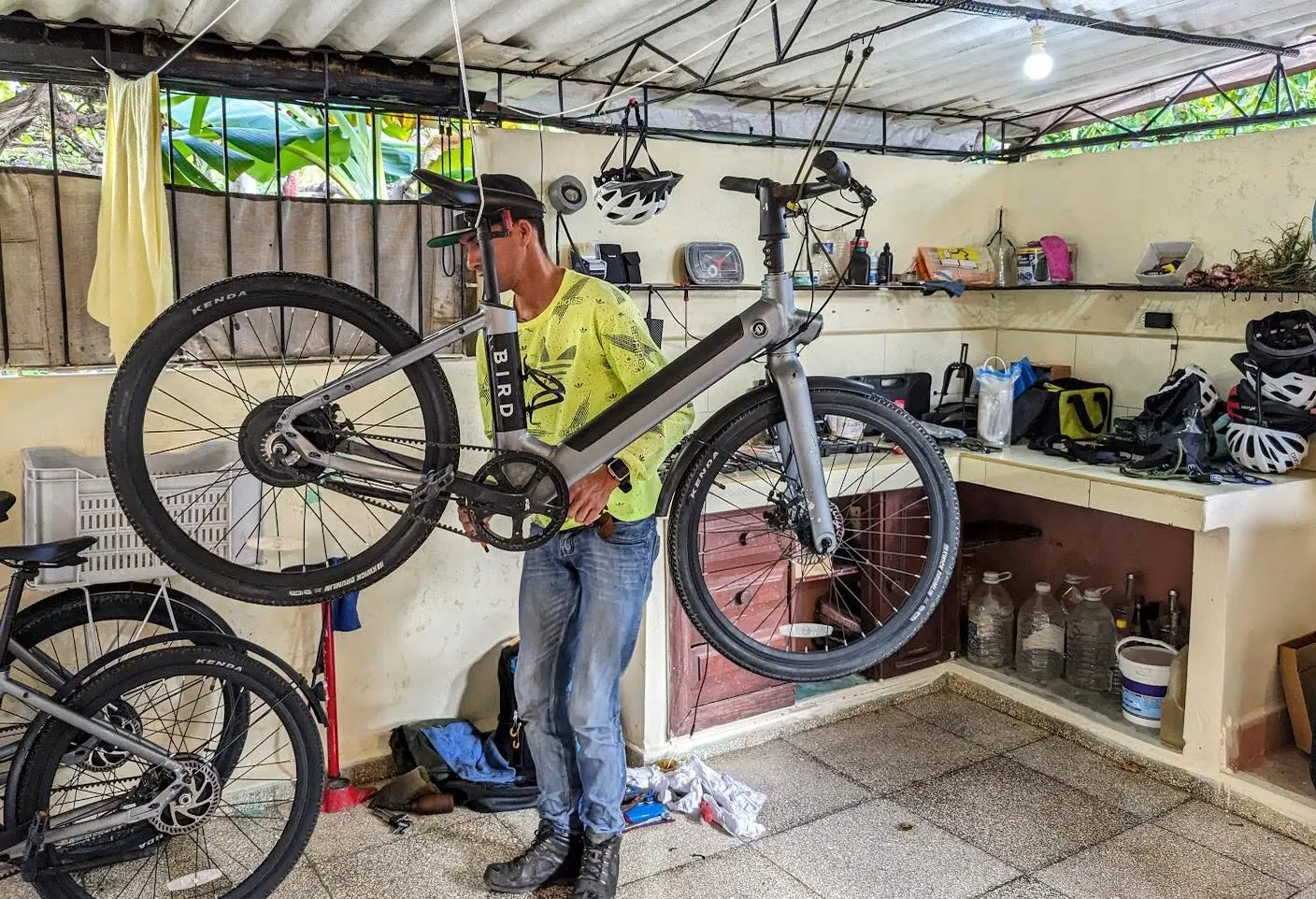
Fuel shortages in Cuba are real, and they mostly show up as long lines at state gas stations and fewer buses running in the cities. For a tour operator, fuel is a planning problem, and we plan for it. Our support vehicle starts every tour with a full tank and reserve fuel on board. We buy ahead, we have relationships with suppliers in every town on the route, and in nine years we have never had a group stranded for lack of fuel.
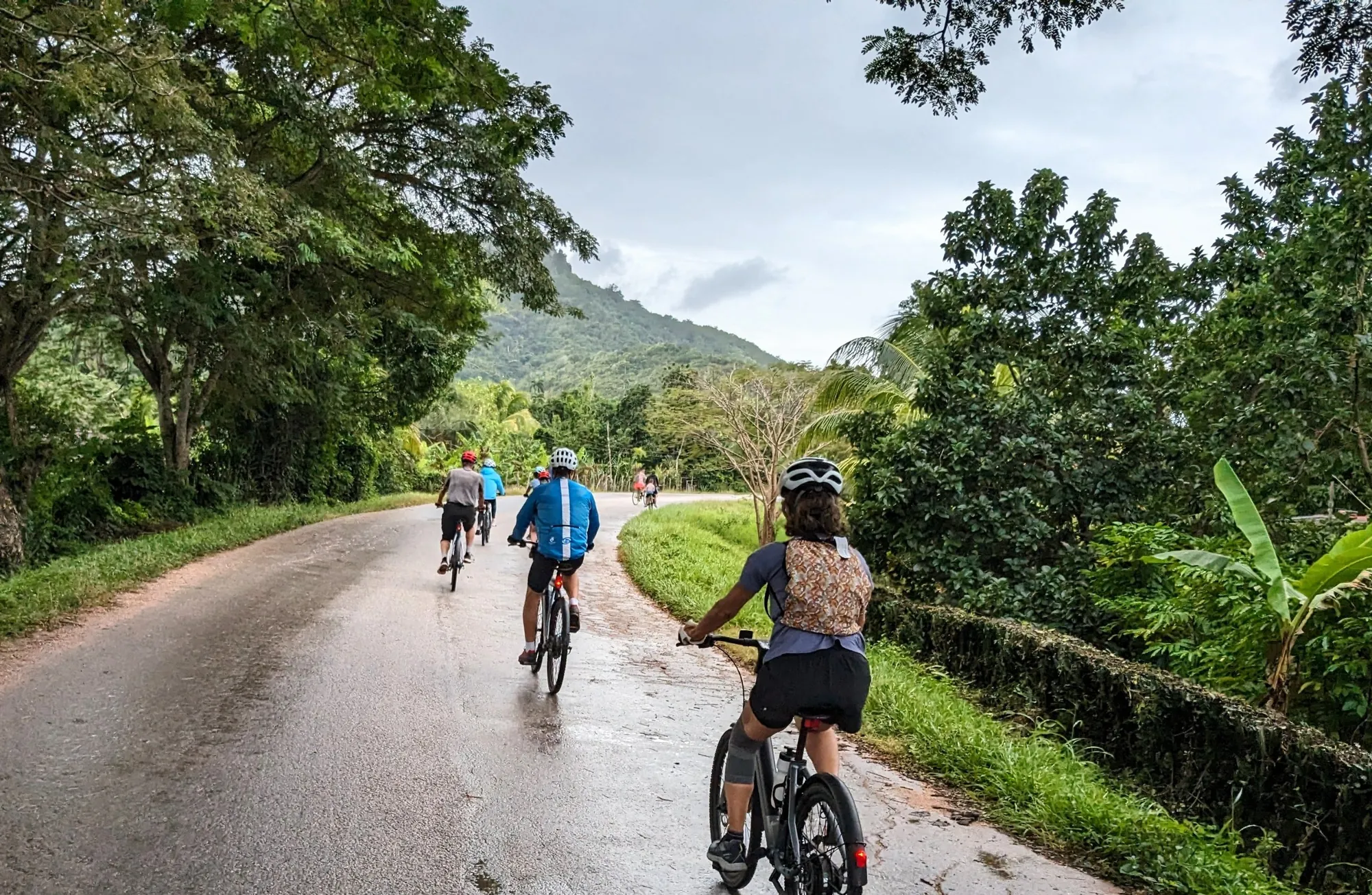
And remember what you came to do: you're on a bicycle. The bikes don't need fuel. The support van is there to carry luggage, water, tools and tired riders, and we keep it fueled so that it always can.
Food: there is less in the state stores, and more on your plate than you can finish
This is the one that surprises people most. The shortages you read about are in the state-run ration system: government stores with empty shelves, long lines for subsidized bread. That is a real hardship for Cuban families, and it's not something a visitor would see much of.
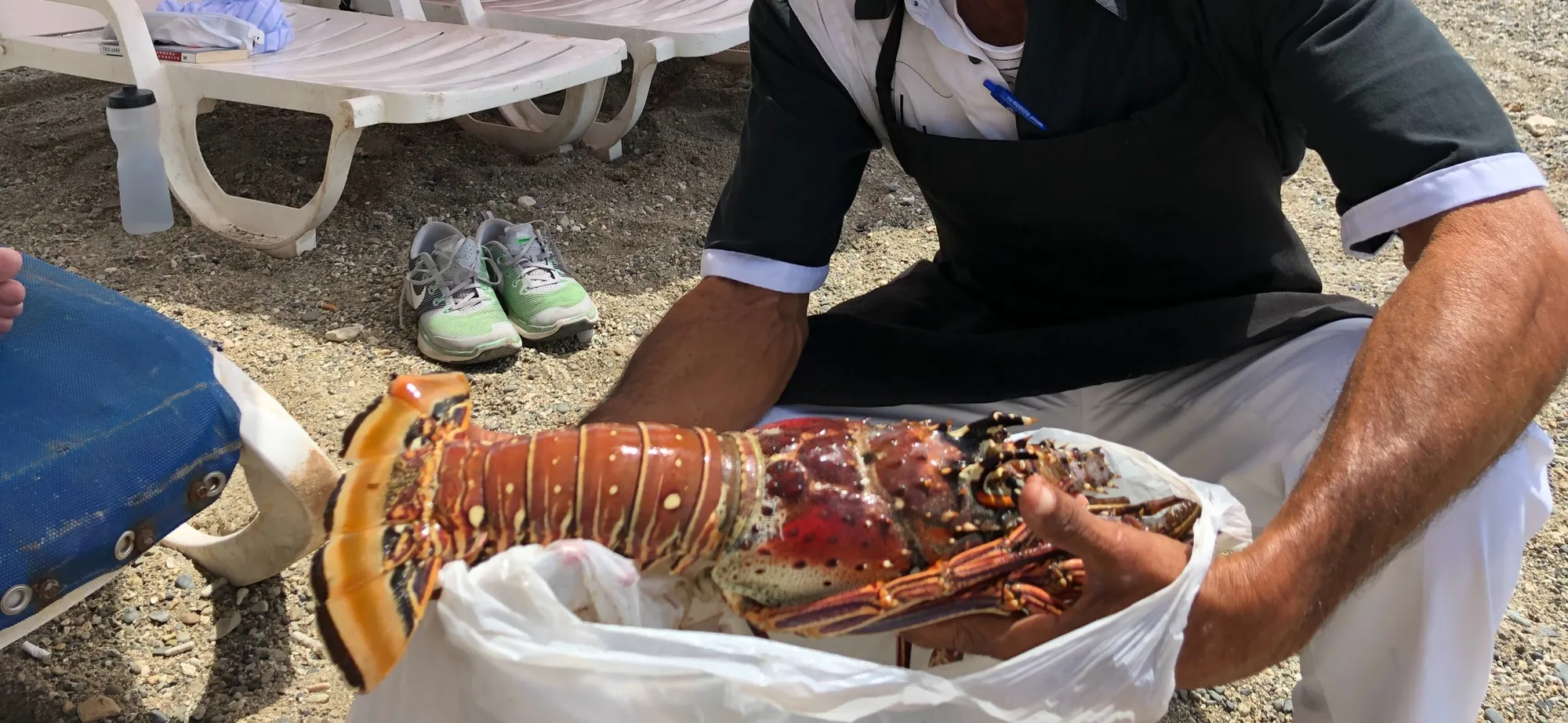
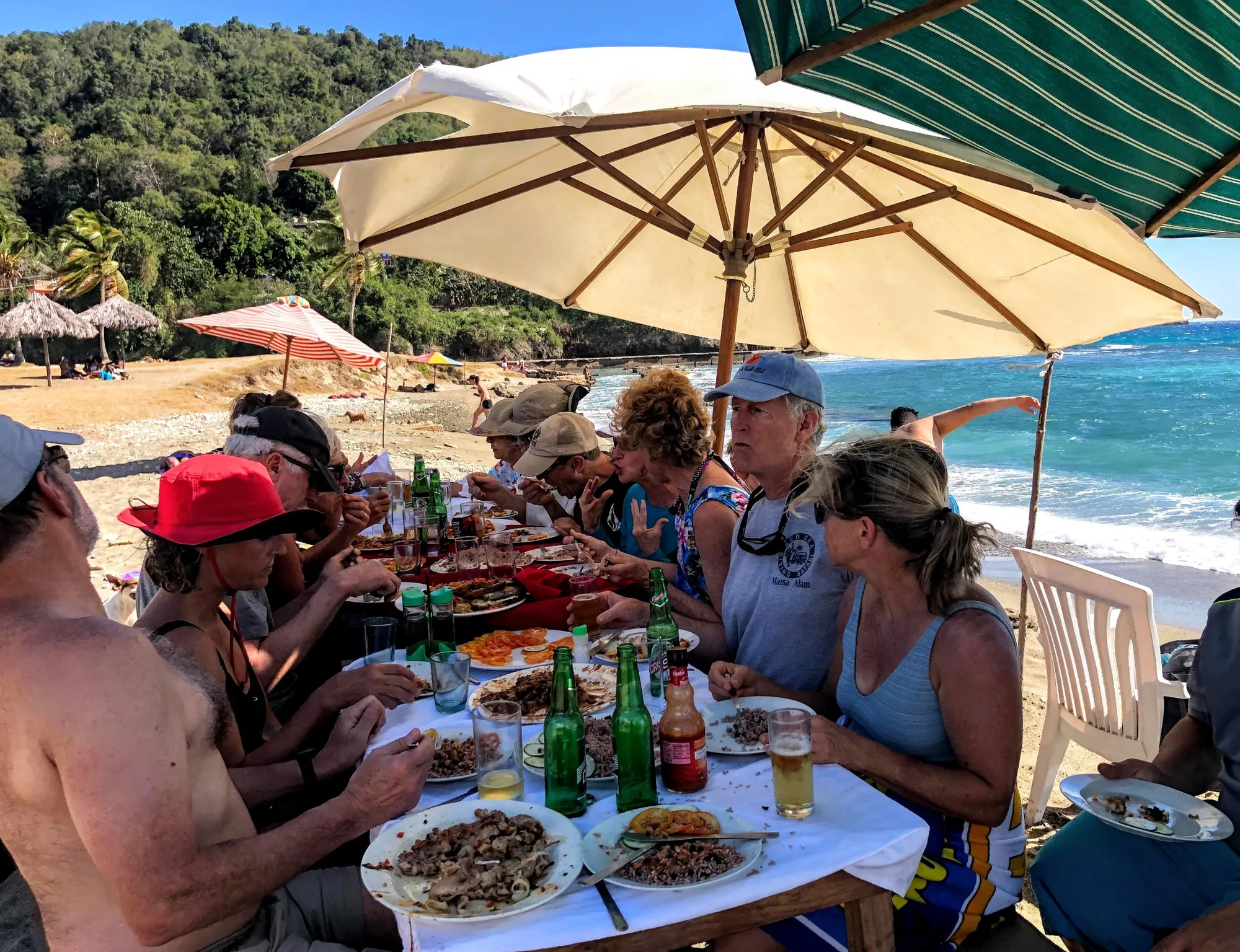
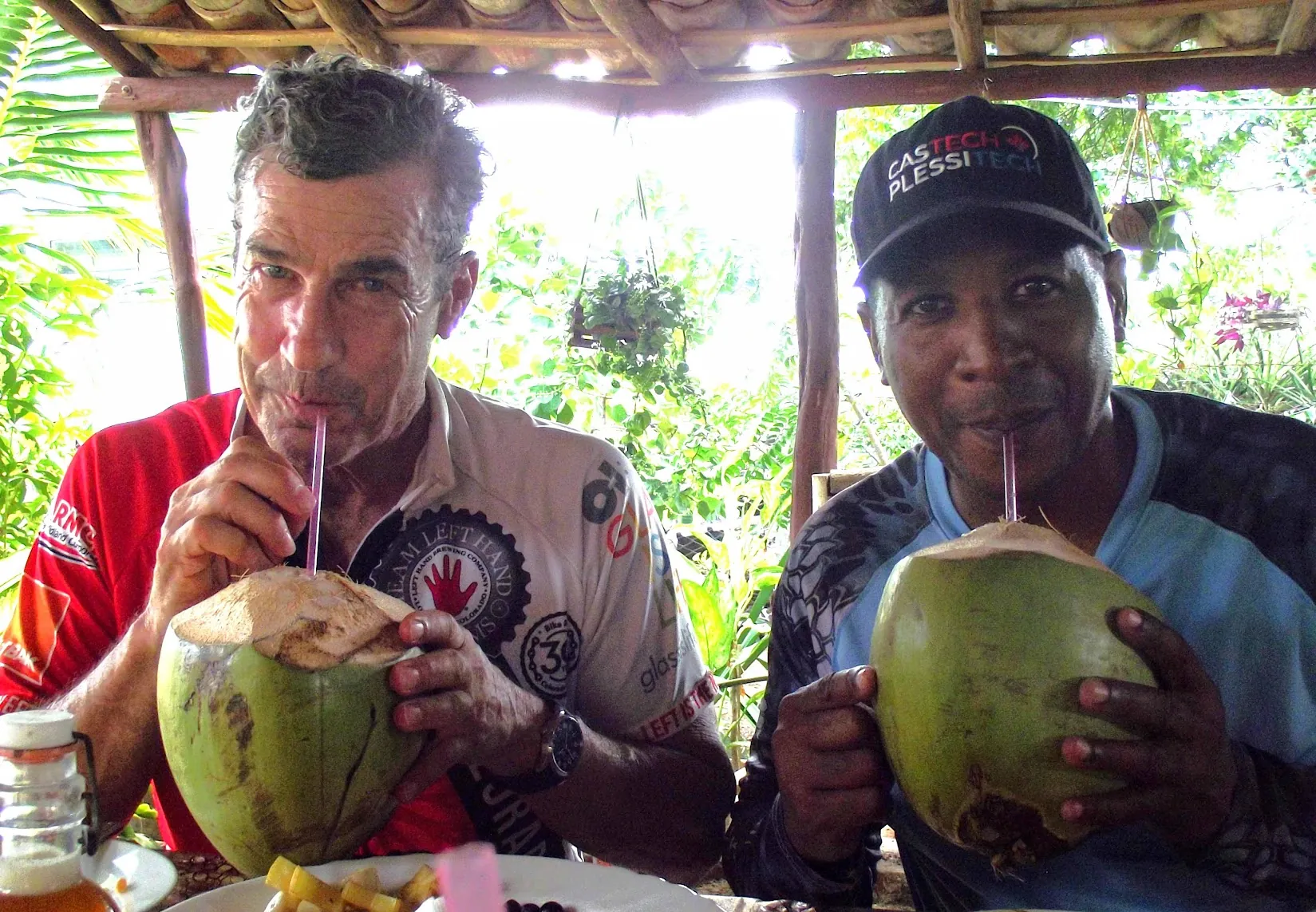
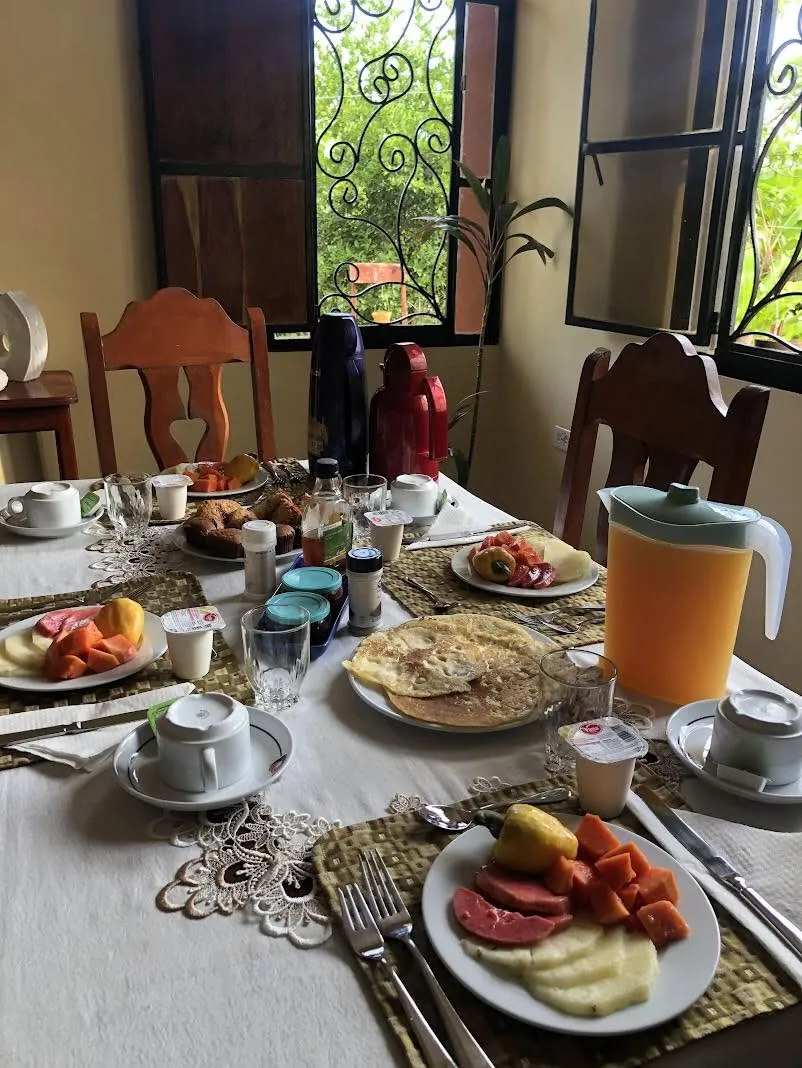
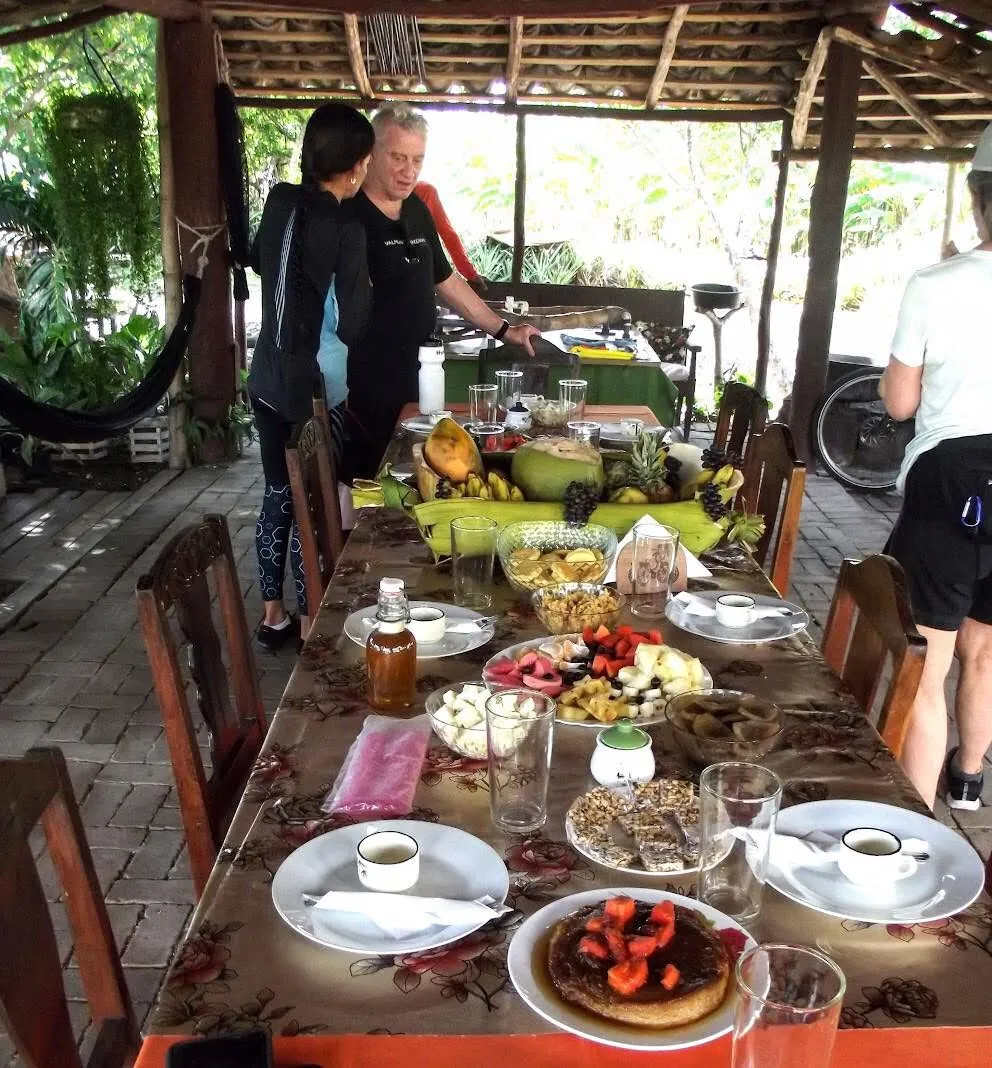
Your meals come from a different economy entirely. Casas particulares are private businesses. Your hosts buy from farmers, fishermen and neighbors, and they cook what's in season: eggs, papaya, mango, pineapple, pork, chicken, fish and lobster pulled from the water that morning, black beans, rice, yuca, plantains, flan. We eat at an organic farm that grows forty kinds of fruit. We eat lunch on the sand next to the boat that caught it. Vegetarians eat well. Nobody has ever gone hungry on one of our tours, and several people have told us they gained weight.
If you need something specific (a medication, a particular snack, a protein bar you can't ride without), bring it. We'll tell you exactly what to pack. And bring a little extra of anything: the gifts riders leave behind, from vitamins to reading glasses to fishing line, are the most welcome things we carry.
Water
You should not drink tap water in Cuba, and you won't. We provide bottled and filtered water throughout the tour, on the bikes and in the van, and your casas keep purified water for guests. Showers and plumbing work normally in the homes we use; some have rooftop tanks precisely so they're not dependent on municipal pressure. Bring a refillable bottle and we'll keep it full.
Internet and phones
Cuba has mobile data and Wi-Fi, and both have gotten dramatically better in the last few years. Our guests buy a Cuban SIM or an eSIM before departure (we send instructions) and can text, email and video-call home most of the time. Most casas have Wi-Fi. Connections are slower than at home and sometimes drop, especially during a blackout, which is why I'm writing this from a friend's house.
Here's what nine years of guests have told us, though: a week of being slightly less connected was one of the best parts of the trip. You'll have what you need to check in with family. You won't have what you need to doom-scroll, and you won't miss it.
Safety and medical care
Cuba remains one of the safest countries in the Americas for visitors. The shortages have not changed that. Petty theft exists everywhere; violent crime against tourists is very rare, and we have never had an incident. Your Cuban e-visa includes access to the national health system, which has more doctors per capita than the U.S., and your required travel insurance covers evacuation if it ever came to that. In nine years, it never has.
Is it wrong to go?
Some people ask whether it's ethical to vacation in a country going through hard times. It's a fair question, and here's my answer: it depends entirely on where your money goes.
A resort holiday puts your dollars into state-run hotels. A trip with us puts them into private homes, private restaurants, private farms, private drivers and mechanics. We employ Cubans directly and pay them directly, in cash, at rates that matter. We bring suitcases of supplies on every trip. We helped build the Bamboo Bike Project so a village has bicycles. For every rider who signs up, we donate a bike. That is the "Support for the Cuban People" category in practice, not just on the paperwork.
The families who host you will tell you themselves: the tours are what's keeping them afloat. Staying away helps no one here.
What to expect, honestly
- You will probably experience at least one blackout, and it will probably be a non-event.
- You will eat better than you expect, and more than you planned.
- The Wi-Fi will be fine for checking in and annoying for everything else.
- You will see hardship, and you will see people meeting it with music, humor and extraordinary generosity.
- You will come home with a different understanding of Cuba than the one the news gave you, and you will have gotten it from the people who live it.
If you have a specific worry that isn't covered here, that's what the phone call is for. Ask me anything. I'll answer from the village, assuming the power's on.
Herschel Goldberg founded Cuba Bicycle Tours and lives in el Oriente, Cuba, with his wife. Send an inquiry and he'll call you back at the time you choose.