Cuba journal · 6 min read
Is Cuba Safe for Americans in 2027? An Honest Answer
If you are an American thinking about Cuba for 2027, you've probably asked some version of this question: is Cuba safe for Americans right now? The short answer is yes, for a well-planned trip in the right part of the island, with people who know it. The longer answer is worth a few minutes, because the risks in Cuba today are real but they are not the ones most people picture.
This is how we think about it, as a company whose founder lives in a village in eastern Cuba and whose riders are mostly Americans.
What the U.S. government actually says
The U.S. State Department rates countries from Level 1 ("Exercise Normal Precautions") to Level 4 ("Do Not Travel"). Cuba is at Level 2, "Exercise Increased Caution." That is the same level as many European countries, including France, Germany, Italy and Spain.
The reasons it gives for Cuba are crime, unreliable electrical power, and fuel shortages. It is not a warning about Americans being targeted, and it does not tell Americans to stay away. Advisories can change, so check the current one at travel.state.gov before you fly. We'll also tell you about anything new before your departure.
The real risks, and how a tour handles each one
| Risk | What it looks like | How we handle it |
|---|---|---|
| Petty crime | Pickpocketing and bag snatching, mostly in busy tourist parts of Havana. Violent crime against visitors is rare. | We're in the quieter east, not central Havana. You're with a group and a guide, and your bags ride in the van. |
| Power outages | Blackouts can last hours, more often in the hot months. | Our homestays have solar backup for lights, fans and charging. We run January to May, when outages are less frequent. |
| Fuel shortages | Long lines at gas stations; some transport cancelled. | Our support van starts every tour fueled, with reserve on board. |
| Medical care | Hospitals are short on supplies, especially outside Havana. | Travel insurance with emergency medical evacuation is required. Bring your own medicines, plus extra days. |
| Protests | Gatherings can form quickly and police respond firmly. | We steer clear of them, and so should you. Our local guides know what's happening in each town. |
| Money | U.S. credit and debit cards do not work in Cuba. | Your meals, lodging, bikes and flights from Miami are prepaid. Bring cash in small bills for extras. |
Why eastern Cuba feels different
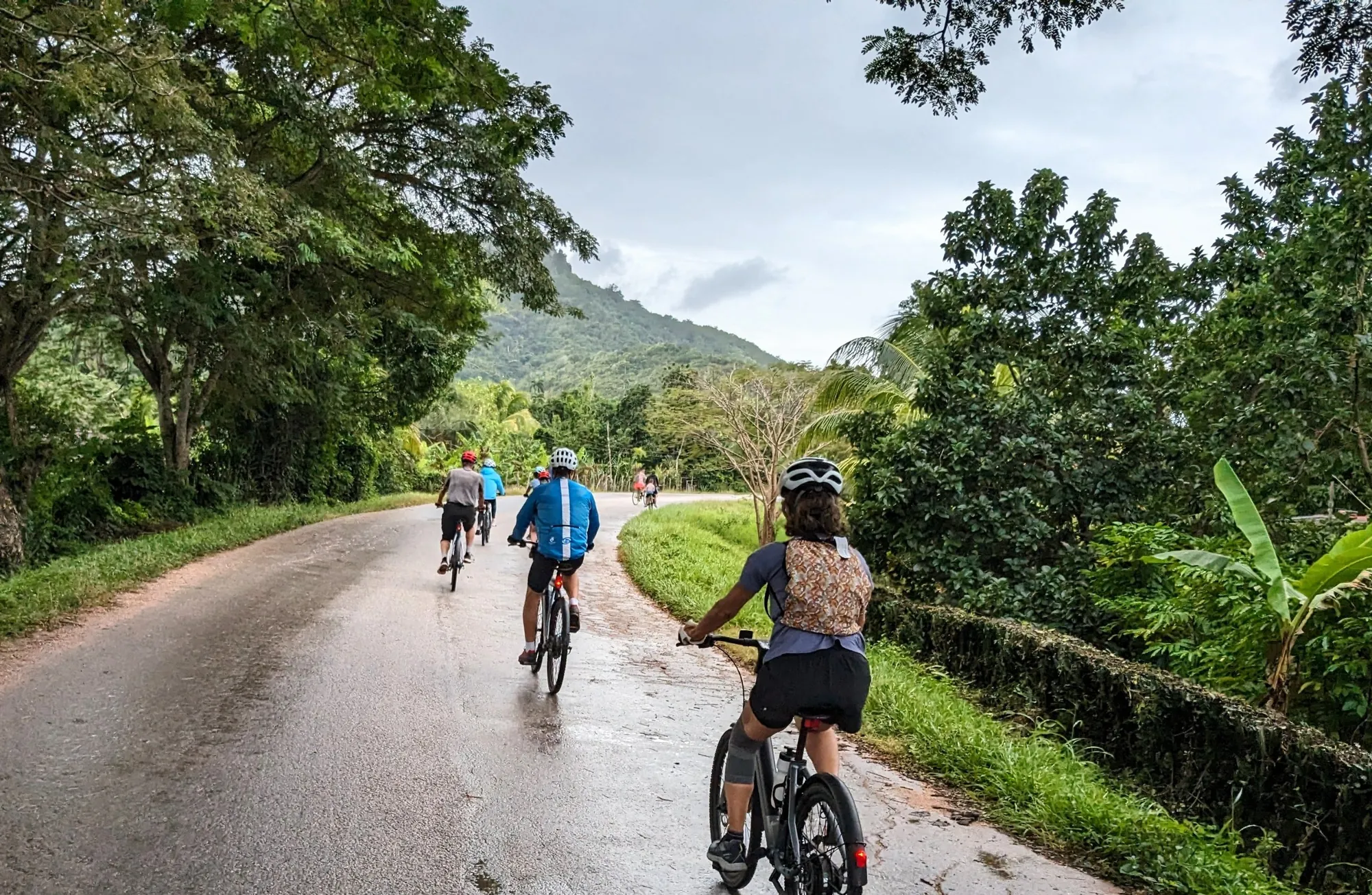
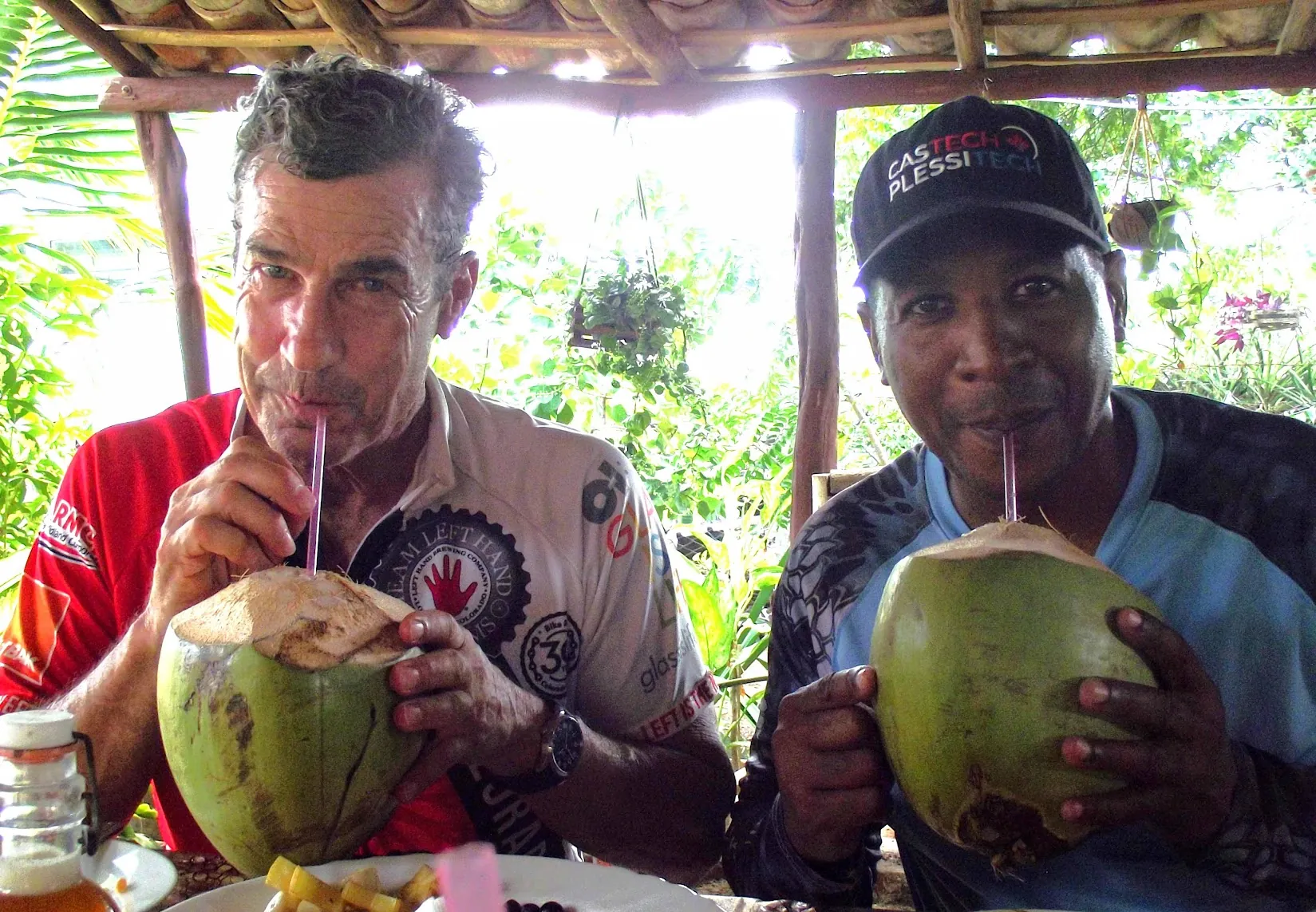
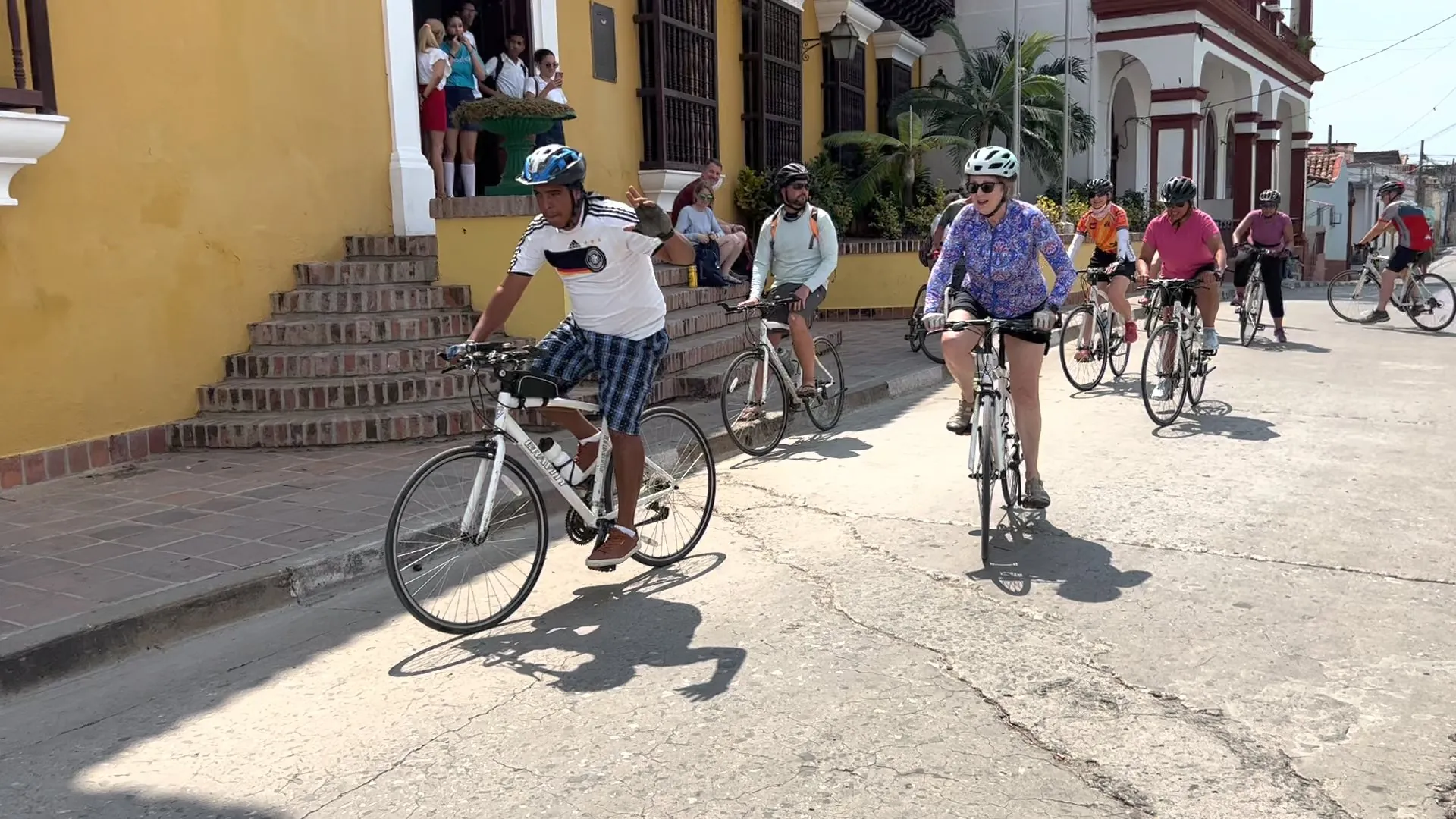
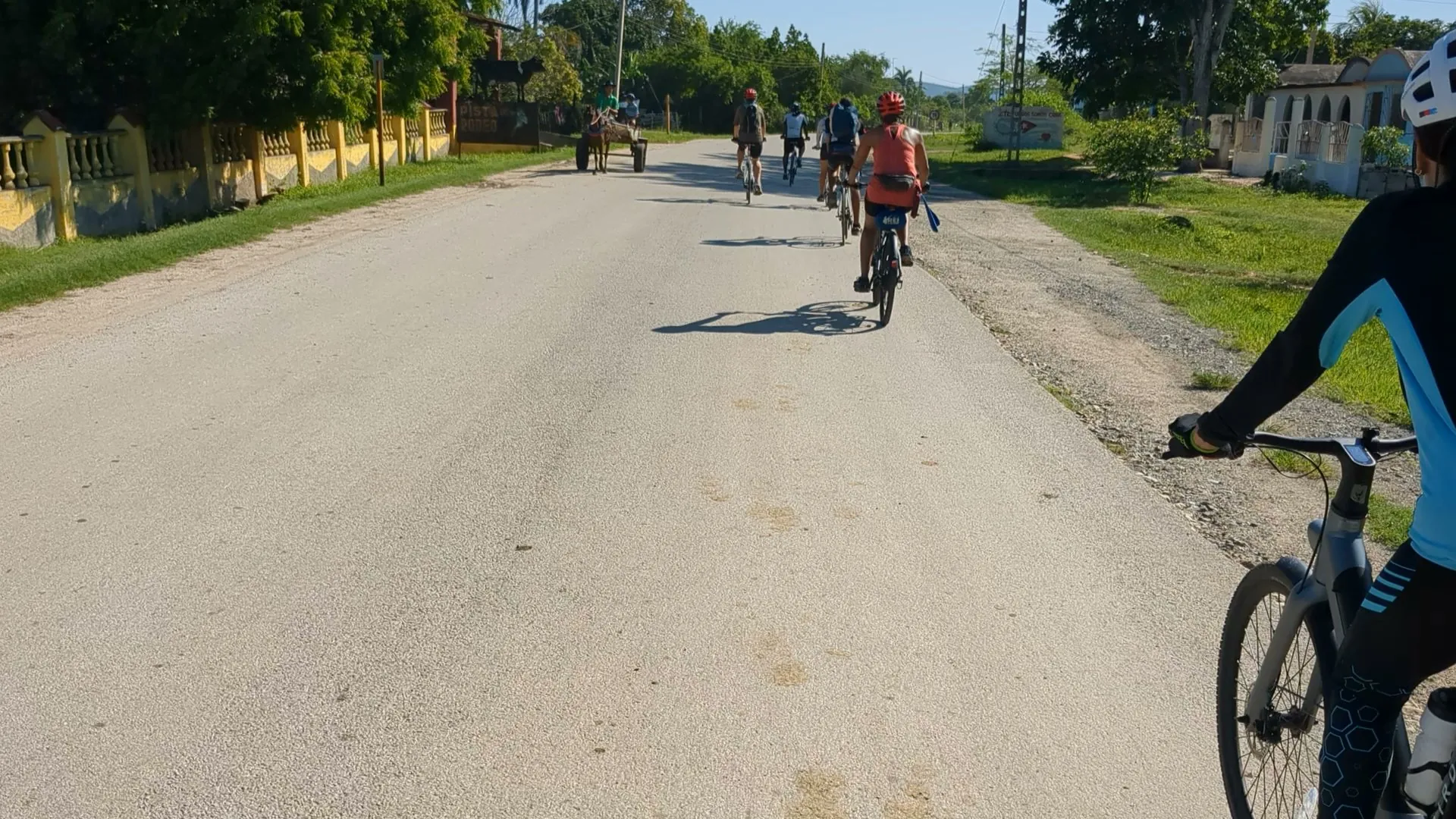
Most news from Cuba comes out of Havana. Our tour runs through el Oriente, the east: Holguín, Gibara, Guardalavaca and Santiago de Cuba. It's less touristed, more rural, and the towns are small enough that people know each other. On a bike, you move at a pace where people wave, kids run alongside, and a farmer by the road wants to know where you're from.
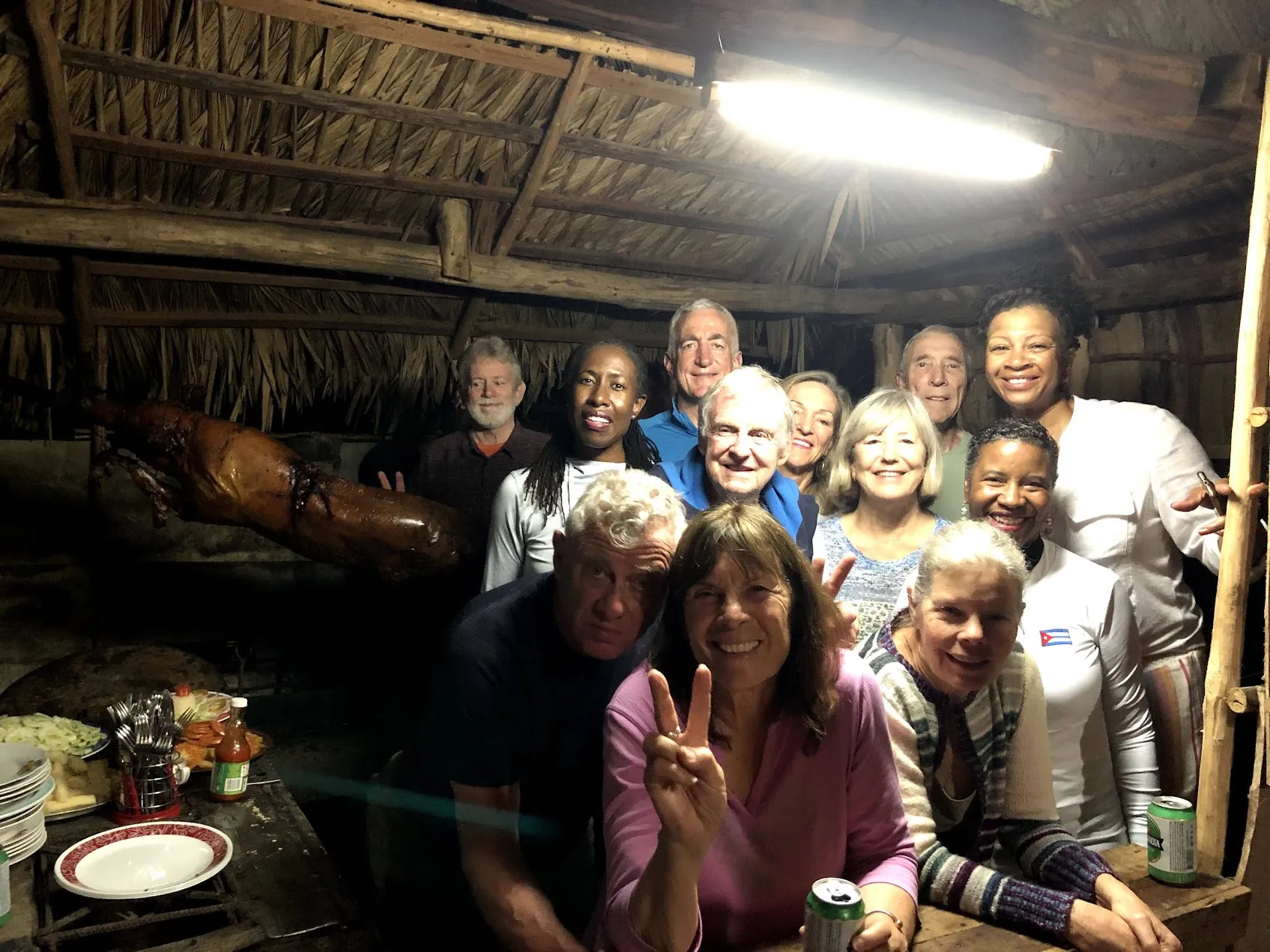
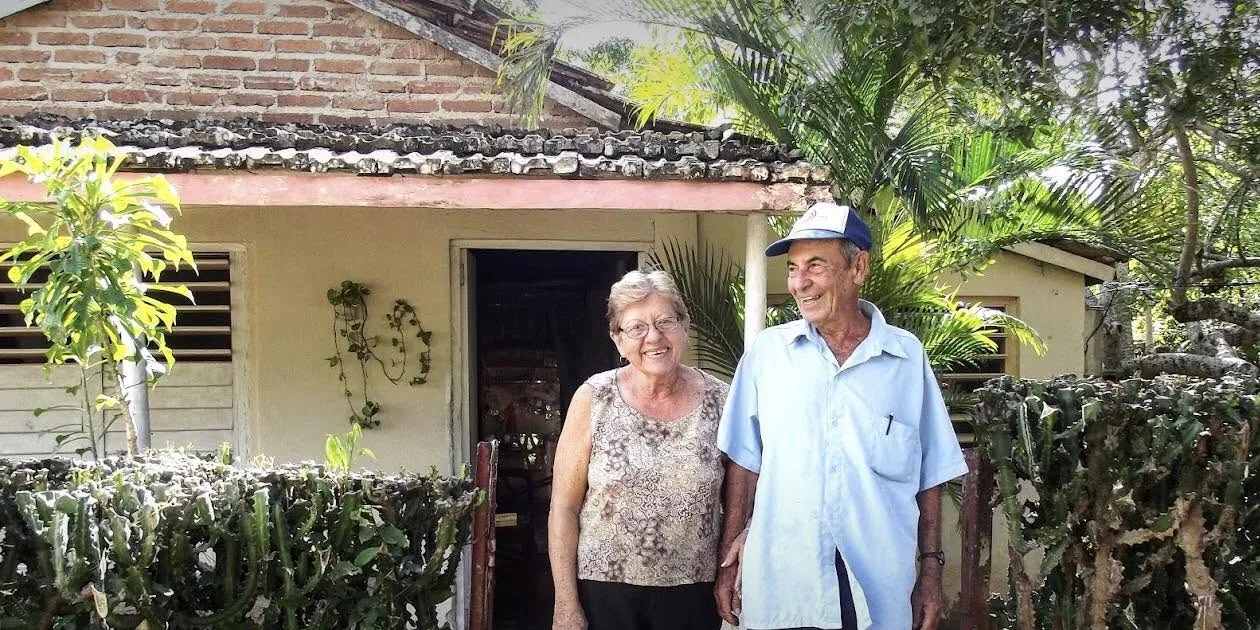
The people you'll spend the most time with are the families who host you. They're private business owners whose income depends on guests coming back and telling their friends. You'll eat with them, and you'll be looked after.
Is it legal for Americans?
Yes. Tourism for its own sake isn't allowed, but Americans travel to Cuba legally under one of twelve categories. Ours is the Treasury Department's "Support for the Cuban People" general license, and there's nothing to apply for. It asks for a full schedule of activities with independent Cubans: staying in private homes, eating at family restaurants, visiting private farms and artists. That is exactly what our days are.
Since 2025 the U.S. has been stricter about records, so keep your receipts and itinerary for five years. We give you a written itinerary that documents your activities. Our full guide to the legal side walks through the paperwork step by step.
Practical things that make the biggest difference
- Enroll in STEP, the State Department's free Smart Traveler Enrollment Program, so the embassy can reach you.
- Pack a headlamp and a power bank. With those, a blackout is an inconvenience, not a problem.
- Bring cash in small U.S. bills. Your card won't work.
- Carry medicines in original packaging, plus a few extra days.
- Don't photograph police or military sites, and keep away from demonstrations.
- Get insurance that covers Cuba, cycling and medical evacuation. It's required on our tour.
The honest bottom line
Cuba in 2027 is not a resort holiday, and we won't pretend it is. There are shortages, the power goes out, and it takes some flexibility. But the State Department rates it at the same level as much of Europe, crime against visitors is mostly petty, and the hard parts are the ones a well-run tour is built to absorb.
If you have a specific worry, a health question, or a family member who needs convincing, tell us when to call, or get the free planning guide first. You can also read what the blackouts really mean on the ground.